Fish's Cozy MKIV
  • Welcome
  • Preparation, Visits, Tips
    • Preparation
    • Visits
    • Tips and Tricks
    • Special Cases - Interesting Fixes
  • Chapters 3-15
    • Ch 3 Practice
    • Ch 4-7 Fuselage, Main Gear
    • Ch 8 Head Rest, Heat Duct, Seat Belts
    • Ch 9 Main Landing Gear
    • Ch 10-12 Canard & Elevators
    • Ch 13 Nose >
      • Ch 13.1 Nose gear, Brakes, Landing Light and Skid Plate
      • Ch 13.2 Nose Top & Canard Cover
      • Ch 13.3 Relevant Later Work
    • Ch 14 Spar
    • Ch 15 Firewall
  • Chapters 16-25
    • Ch 16 Controls
    • Ch 17 Trim
    • Ch 18 Turtleback/Canopy >
      • Ch 18.1 Turtleback
      • Ch 18.2 Canopy
      • Ch 18.3: Latch, IP Cover, Misc
      • Ch 18.4 Lift and Locking Canopy (Version 1)
      • Ch 18.5 Electric Lift Canopy (Version 2)
      • Ch 18.6 NACA's for Engine Cooling
    • Ch 19 Wings
    • Ch 20: Winglets/Rudders >
      • Ch 20.1 Winglet Fabrication
      • Ch 20.2 Winglet Attachment
      • Ch 20.3: Rudder Fabrication
    • Ch 21 Strakes >
      • Ch 21.1 Strakes: Through "Top Hats"
      • Ch 21.2 Strakes: Bottom Skin through Prep for Top Skin Final Bonding
      • Ch 21.3 Strakes: Top Skin Final Bond through Fuel Tank Seal
      • Ch 21.4 Strakes: Misc Completion of Strakes
      • Ch 21.5: Strakes: Wing/Strake Fit Check
      • Ch 21.6: Strakes: Post Cure Tanks
    • Ch 22: Electrical >
      • Ch 22.1: Electrical: Inst Panel
      • Ch 22.2: Electrical: Firewall
      • Ch 22.3: Electrical: Warning Lights
      • Ch 22.4: Phase I Testing
    • Ch 23 Engine and Cowling >
      • Ch 23.1 Firewall and Mount
      • Ch 23.2: UL 520is Initial Integration
      • Ch 23.3 Cowling
      • Ch 23.4 UL 520is First Start
    • Ch 24: Seats, Armrests, Fairings >
      • Ch 24.1: Fairings
    • Ch 25: Finishing >
      • Ch 25.1 Canard
      • Ch 25.2 Interior
      • Ch 25.3 Fuselage/Strakes Bottom
      • Ch 25.4 Fuselage/Strakes/Canopy Top
      • Ch 25.5 Wings
      • Ch 25.6 Assembly in Primer and W&B 1
  • Ch 26: Hangar
    • Ch 26.1 Assembly and Fitting
    • Ch 26.2 More Punch List Stuff
    • Ch 26.3 Inspections
  • Ch 27: Ground Tests, First Flight and Ph I Testing
    • Ch 27.1: More Ph I Testing Stuff
  • Ch 28: Post Phase I Improvements
  • Ch 28.1: More Improvements
  • Ch 29: IFR

Chapter 3 - Practice Pieces
Picture
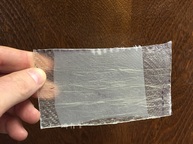
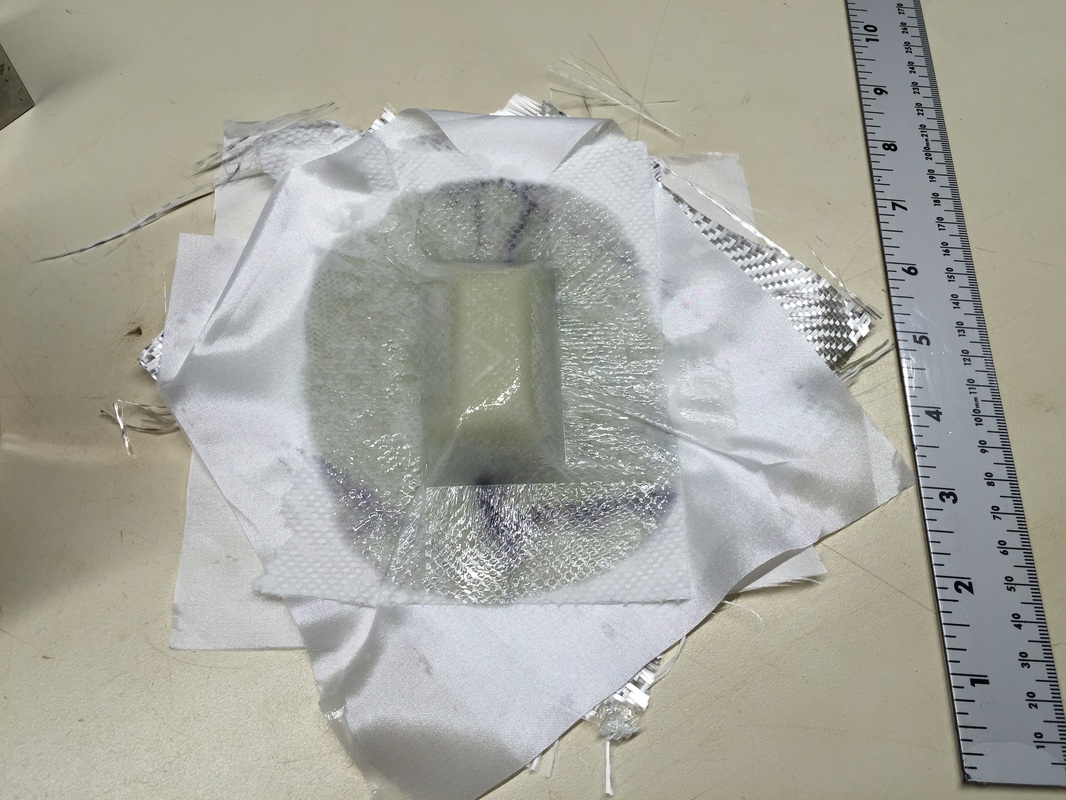
First Layup - 2Ply BID with partial peel ply

Picture
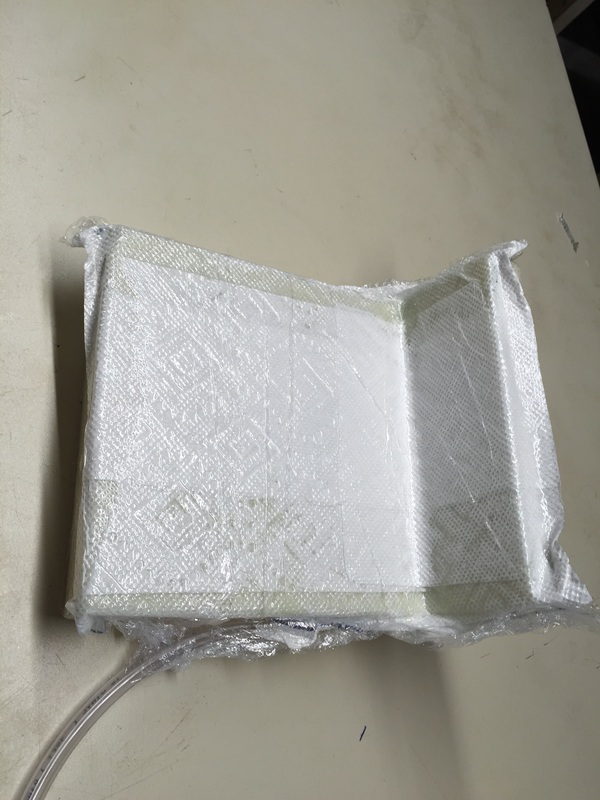
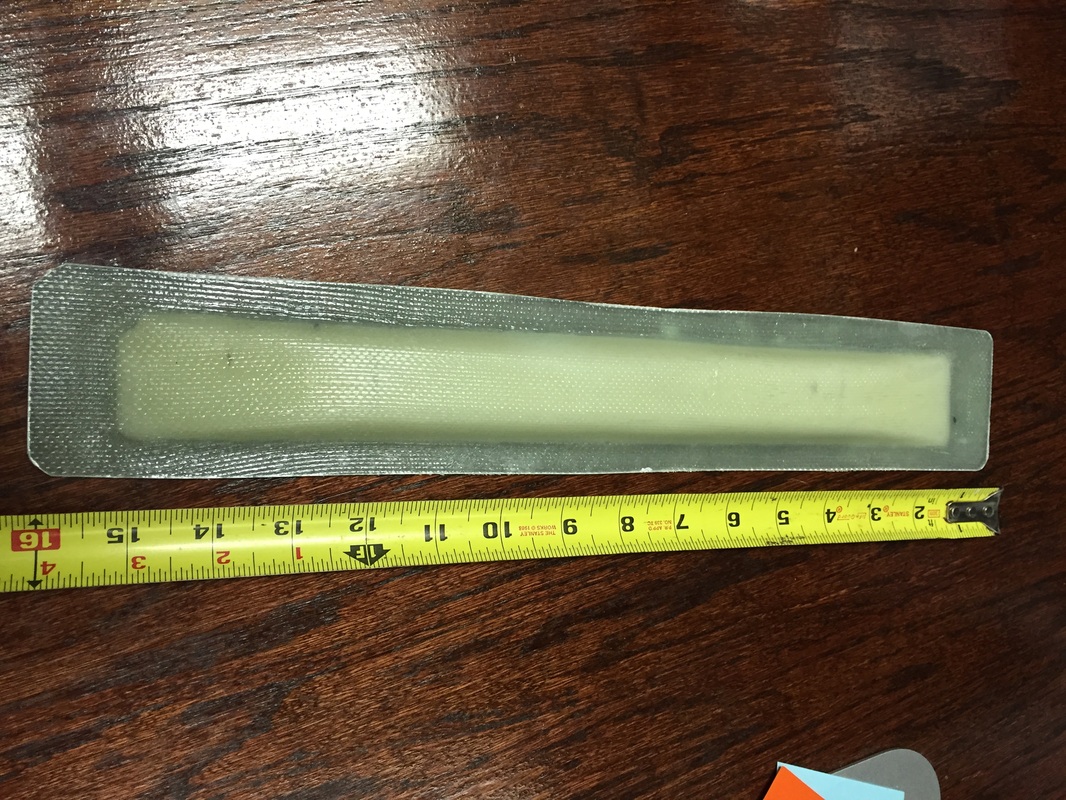
First Vacuum Bagged Practice Part - prior to trimming


Picture
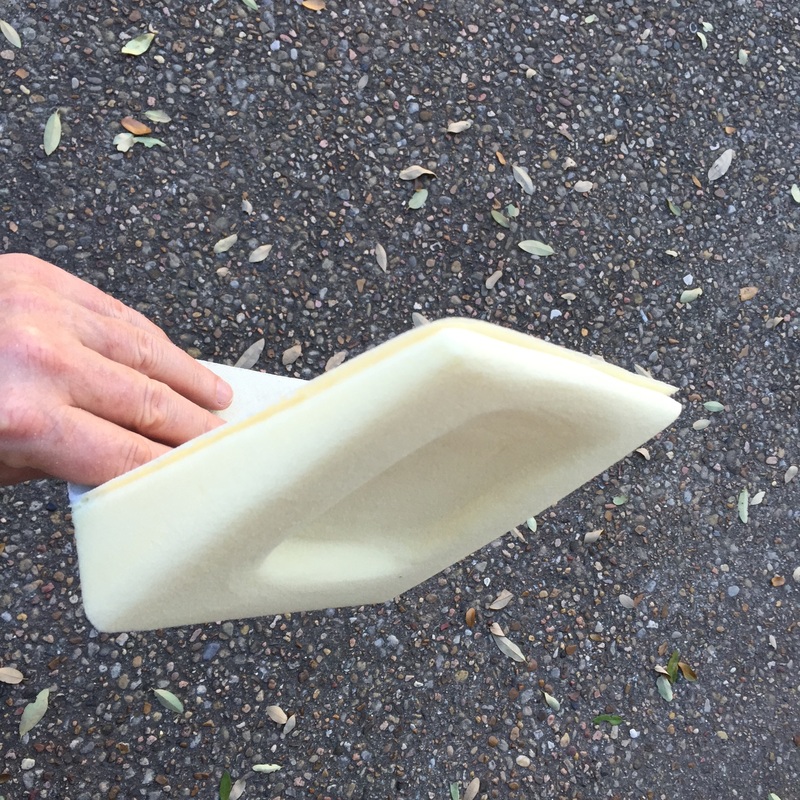
Confidence Layup


Picture
Picture
Picture
Practice layups:
My first layups were small trials with a couple of ply's of BID to get used to several things:
    - wetting glass at different temperatures (it was unseasonably cool this winter when I got started and my garage is not heated, so I was picking days at 60 to 65 degree's to start this process).  I knew it wasn't ideal, but figured I could make better parts with experience when it got warmer.  This also let me get acquainted with using peel ply, which I had not used before, and pallet wrap (as a protection layer to the workbench.  I know it's not perfect because there are "outside ply" effects in scaling but I still calculated a per ply, per square inch target weight based on the practice layup to gage the general lightness of my flat layups in these early stages.  My practice 2 ply 5 square inch layups scaled about 10% heavy.

- After building the Confidence Layup below, I also began experimenting with the poor man's vacuum bag technique as shown to me by Ben Bennett and documented elsewhere in the building sites.  I was particularly interested in it's ability to help in preventing bubbles, particularly in concave corners like near the flange/stiffener of the confidence piece I made which had a couple of small bubbles that I was unsuccessful in removing (no bubbles with the vacuum bag).  I also liked the ability to put some paper towels between the peel ply and the saran wrap (I used pallet wrap - big and cheep from packing supply store) to pull some epoxy through the peel ply without danger of letting air into the layup.  I found with this part that you must think through how the "bag" is supported, because in this case the uncured 2 ply's below the raised foam ridge and the uncured 2 ply's above were not able to sustain a flat shape when the vacuum was applied.  I alleviated this somewhat by using weighted flat plates on the flanges but it would have been perhaps better to have used clamped flat plates to insure really flat while the epoxy cured.  Another good option is to cure the flat backing as a flat piece and then cure the foam and upper plies to this flat cured back piece with vacuum (but I've not tried this yet).  I know I can't bag everything, but it's good to get some experience with it and have it as an option for some small/simple pieces.


Confidence Layup:
I fabricated the confidence layup per the plans and learned the following:  It was my first time working with the urethane foam and using wet micro to wipe it down before applying the regular epoxy and fabric.
  • Make sure you have all the ply's laid out and ready in the right order (I put the bottom UNI on 2nd because I was not paying attention)
  • Make sure you mix the epoxy in small batches (made a batch of 40 grams and it kicked off before I got started.  This was at about 60 degree's in the workspace but the epoxy and hardener had been pre-heated with the heating pads, and I was using 100% fast hardener (Like I said, I was still learning).  After this I only mixed 10 gram and 20 gram batches and 20 gram batches were separated into 2 cups after mixing.
  • I worked only with the squeegee because that's what I was used to from old experience but for this kind of layup I believe the brush and stipple is better.  The glass is not that long in the cross dimension and it was hard to keep from pulling it too much in the flange corner when working excess epoxy out of this region.  All in all the part came out good, but I spent a lot of time on it and know I could do better next time.  
  • I used a Rockwell Blade Runner reciprocating small table saw to cut the foam and it was great.  I had tried hand cutting this piece once and it came out terrible (hard to keep the edges straight).  I found that I really don't like working with this very soft foam because it's so soft it's a mess when dry, and when you start to "micro" it, it can hardly hang together.  It seams like it's always shedding material.  I see why it's needed in some parts (so easy to shape, and it's very light), but I look forward to seeing what the other heavier foams feel like and how they are worked with. 

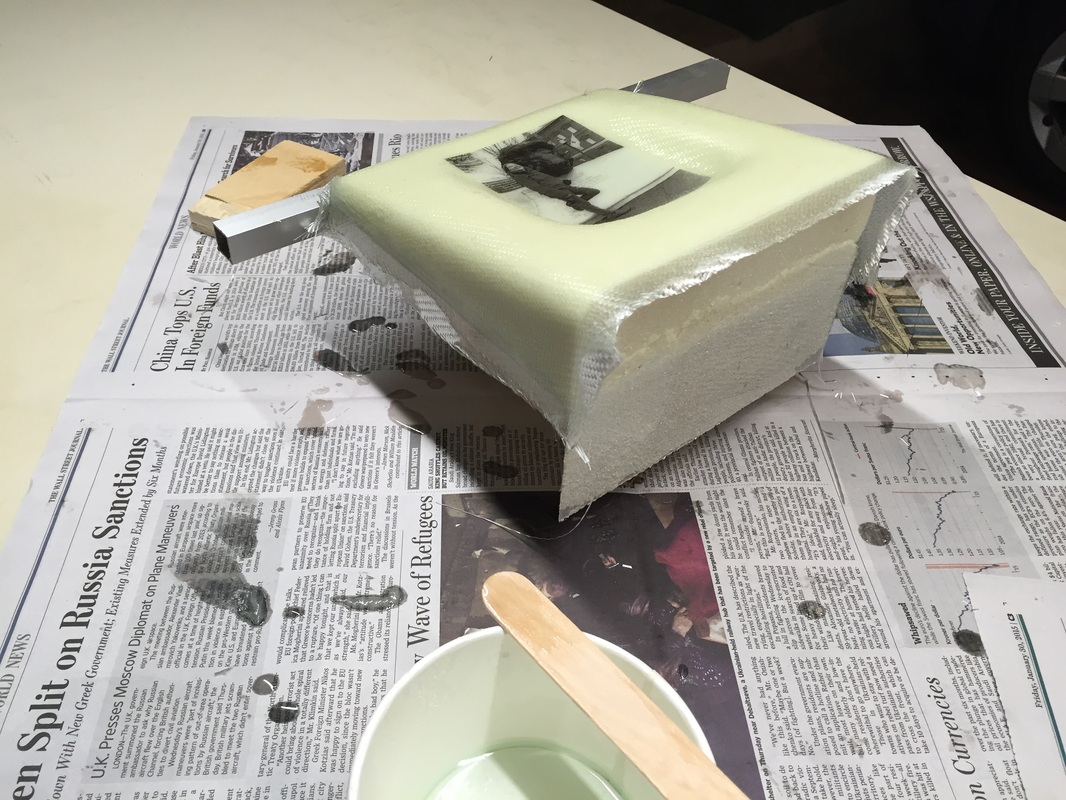
Bookend:
I did a number of things differently for this practice part, while still following the plans and intent to grow the complexity of my practice for parts to come.  A list of things I did are listed below:
  • used vacuum bag on the first layup for the inside layer between the two blocks of foam.  Intent: try a vacuum on a non flat backplane but still not real complex (just a 90 degree inside angle).
  • rather than taper the foam for flat bonded edge, I wanted more experience using flox to make a 90 degree connection of plies (which I'll need to do for the sides of the setback bulkhead).  I know I could do this on the bottom, but I still wanted practice on this here as well.  I got a chance to practice the cake icing method with the plastic bag and corner cut out.  Thanks ??? for this tip.
  • This created some difficulty with the double curvature of the thin upper corners for the BID which I had to relieve by cutting the BID while wet in this corner area to allow it to lay correctly.  Even with this there was a little glass sticking out in the corner which I could sand and smooth after cure.  It also helped me see the concave response of BID in the pocket where the picture goes and get more practice managing bubbles and excess epoxy in this region (didn't try to vacuum this because I had no support for the overlapping/hanging glass and therefor it would not lay correctly).
  • knife trim: I timed the knife trim at this 72 degree build temp and 50/50 fast/slow hardener at 3.5 hrs.  I had a little space heater set up to blow gently on low at the part and the side facing the fan cured a little too much to cut but the other side was just a little tacky and it trimmed with the utility knife very easily.  I could really understand then why Burt recommended this technique if you time it right.  You can trim very close without damage, and just come back later with some light sanding.  Need to set alarms for this each time I build and pay attention to clock.


OK.  Let's  look at the early parts of the build in Ch 4-7.
Proudly powered by Weebly